
Running is just another form of workout, and like any workout, your muscles need to wake up before you ask them to perform. It doesn’t matter how long the run is—short or long—the body still has to be ready before you start. Some runners skip warm‑ups and cooldowns, but for me, they’re non‑negotiable, because over the years I’ve noticed a clear pattern: when I do both pre‑ and post‑run work, I have far less soreness and tightness afterward. On the days I’ve rushed, skipped, or half‑done them, I’ve been “punished” with mediocre runs, little sprains, and aches that show up later.
I’ve also found that while I can sometimes get away with jogging slowly for the first mile instead of doing a full pre‑run routine, skipping the post‑run stretches almost always backfires. My calves and hamstrings tighten up, and my recovery time stretches out—I may need a couple of extra days before I feel ready to run well again. Tight muscles don’t just affect running; they make everyday movements like climbing stairs, getting out of the car, or bending down feel stiff and uncomfortable.
Think of stretches in two buckets: Pre‑run = dynamic, and Post‑run = static. Dynamic stretches involve movement and are best before a run; they help “wake up” the muscles and joints, increase blood flow, and prepare your body for the impact and range of motion of running. Static stretches are slower holds you sink into and breathe; they work better after the run, when your muscles are warm, and you’re asking them to gently lengthen and relax back toward their resting state. If you mix them, that’s okay—just keep your pre‑run stretches lighter and moving, and save the deeper holds for after you’ve finished.
Before your run: dynamic warm‑up (no long holds)
Aim for 5–10 minutes of dynamic (moving) stretches to increase blood flow and gently take joints through their range of motion.
Do each exercise for about 30–45 seconds per side or 10–15 reps.
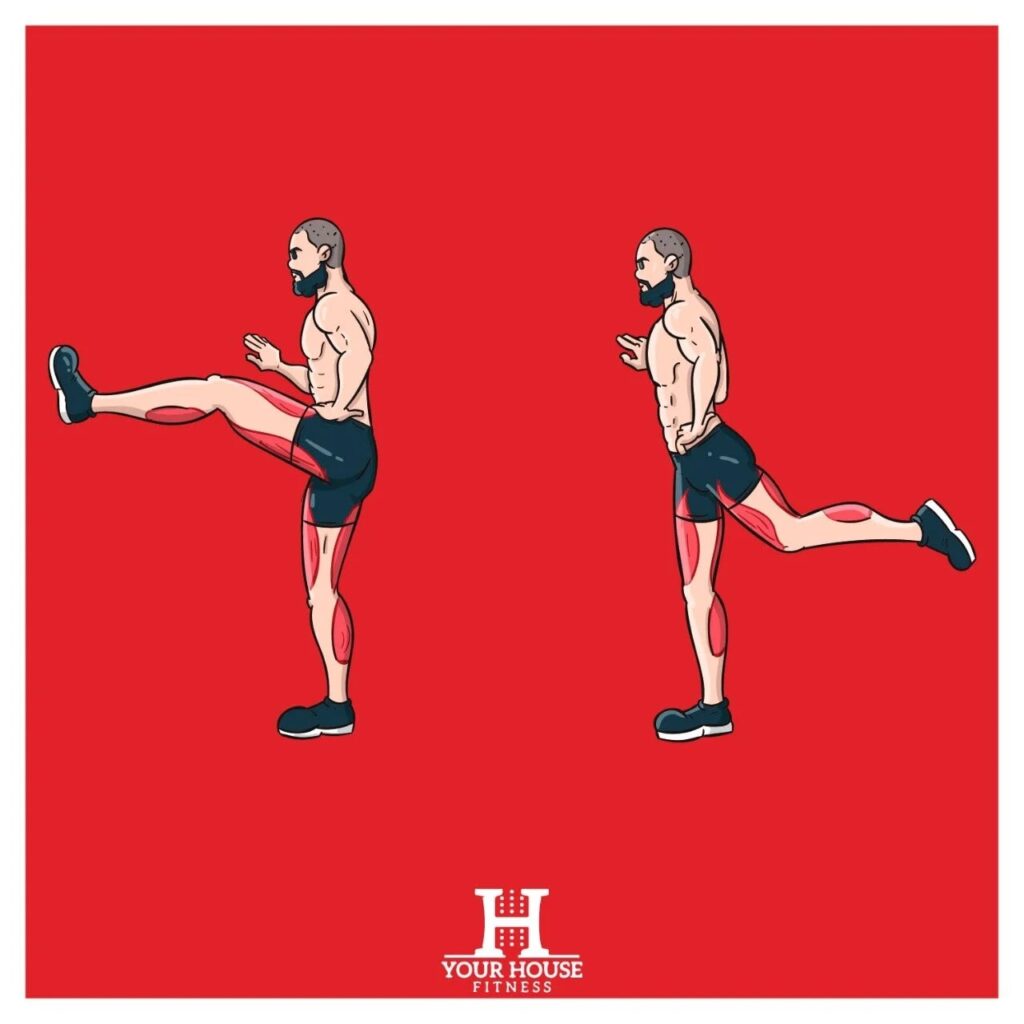
1. Leg swings (front‑to‑back)
- Stand sideways to a wall or pole and hold it for balance.
- Swing one leg forward and back in a controlled arc, keeping your trunk tall and core engaged.
- Warms up hip flexors, hamstrings, and glutes.
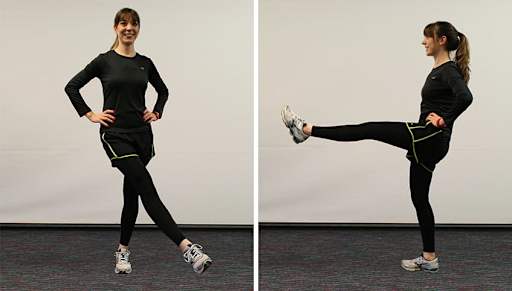
2. Leg swings (side‑to‑side)
- Face forward, holding a wall or support if needed.
- Swing one leg across your body and then out to the side, smoothly and under control.
- Loosens inner and outer hip muscles and improves hip mobility.
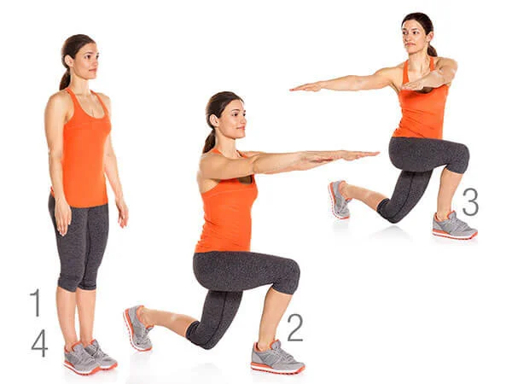
3. Walking lunges with twist
- Step forward into a lunge, dropping the back knee toward the floor.
- Gently twist your torso toward the front leg, then step forward into the next lunge.
- Opens hips, warms quads and glutes, and activates your core.
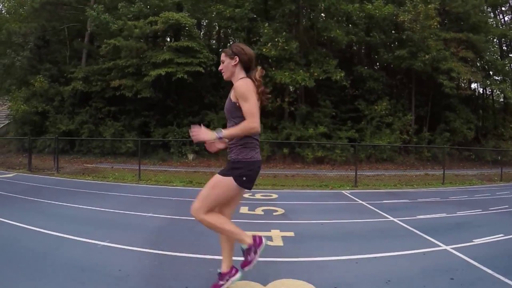
4. High knees
- Jog in place or move forward, driving knees up toward hip height.
- Keep landings light and quick, staying tall through the torso.
- Primes hip flexors and get your heart rate up.

5. Butt kicks
- Jog in place, kicking heels toward your glutes.
- Keep cadence quick and avoid over‑arching your lower back.
- Warms up hamstrings and encourages a quicker leg turnover.
If you feel stiff (early morning or in cold weather), add 3–5 minutes of easy walking before these to ease into motion.
After your run: static stretches (20–30 seconds)

Post‑run, your muscles are warm and more receptive to gentle, longer holds. Focus on calves, hamstrings, quads, hips, and glutes. Hold each stretch 20–30 seconds, 1–3 times per side, without bouncing.
1. Standing hamstring stretch
- Stand tall and place one heel slightly in front of you, toes up, front knee straight or softly bent.
- Hinge forward at the hips (back stays flat) until you feel a mild stretch in the back of the thigh.
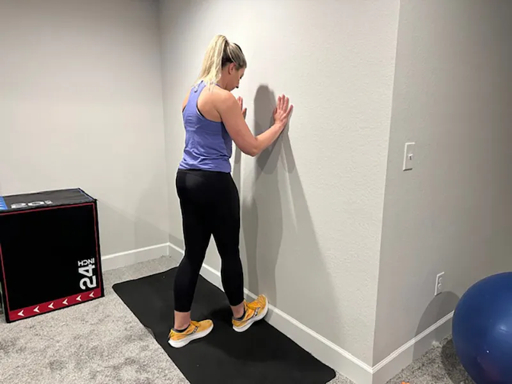
2. Calf stretch against the wall
- Stand facing a wall, hands on the wall at shoulder height.
- Step one leg back, heel flat on the floor, back knee straight.
- Lean hips toward the wall until you feel a stretch in the calf of the back leg.
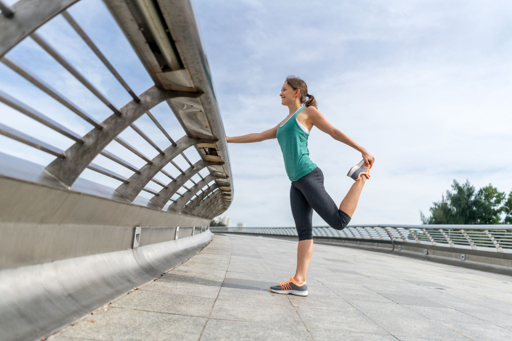
3. Standing quad stretch
- Stand holding a wall or chair for balance.
- Bend one knee and bring the heel toward your glute, holding the ankle.
- Gently draw the knee back so thighs are side by side, avoiding arching your lower back.
4. Figure‑4 glute stretch (on back)
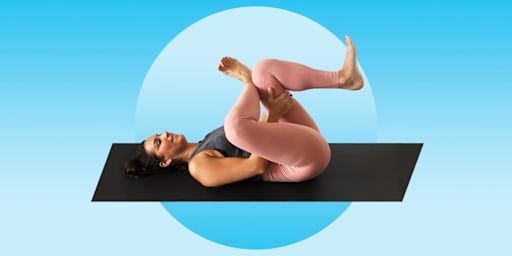
- Lie on your back with knees bent.
- Cross the right ankle over the left thigh to form a “4.”
- Gently pull the left thigh toward your chest until you feel a stretch in the right glute/hip.
A YouTube video that goes in-depth on both stretches.